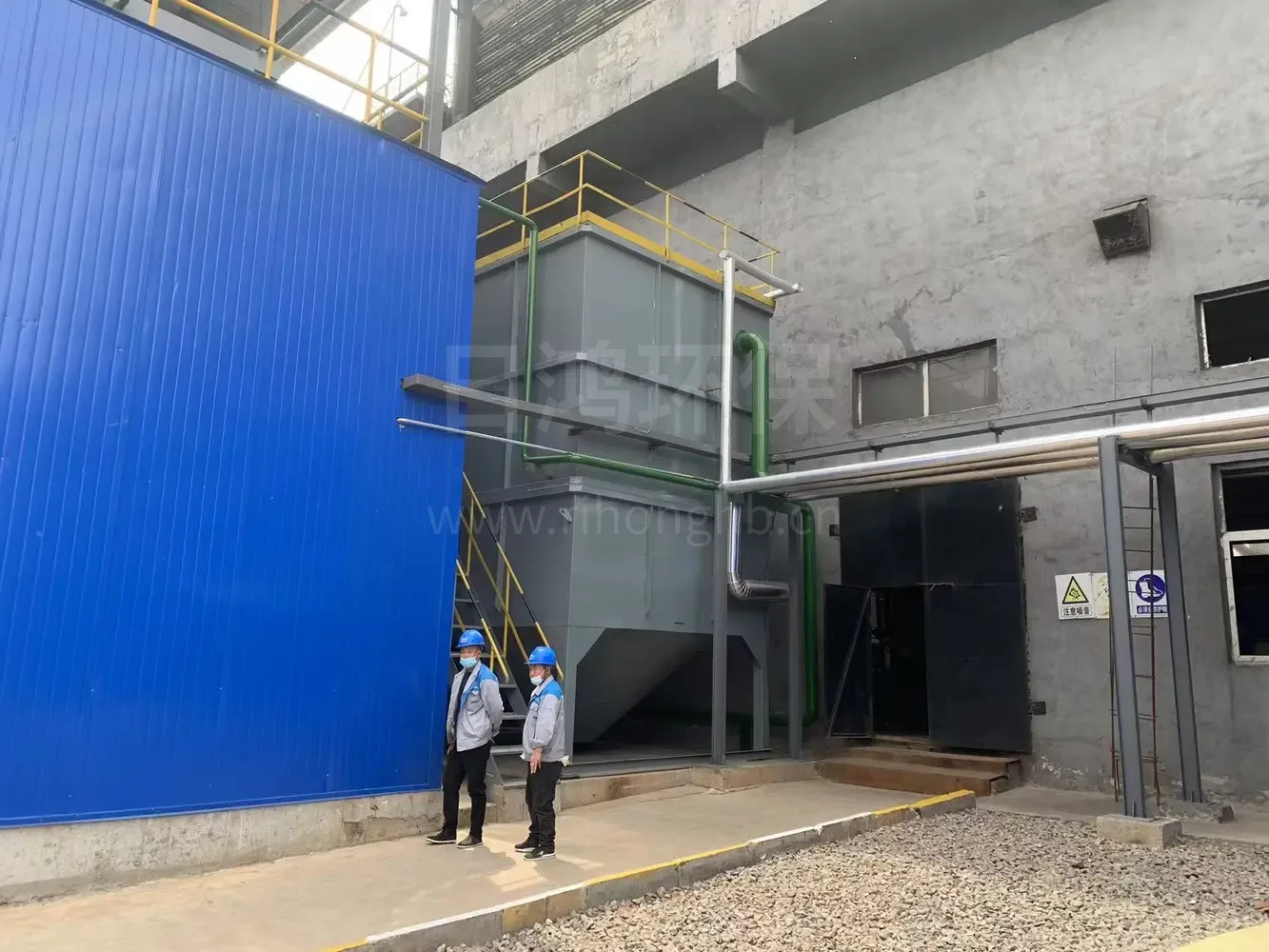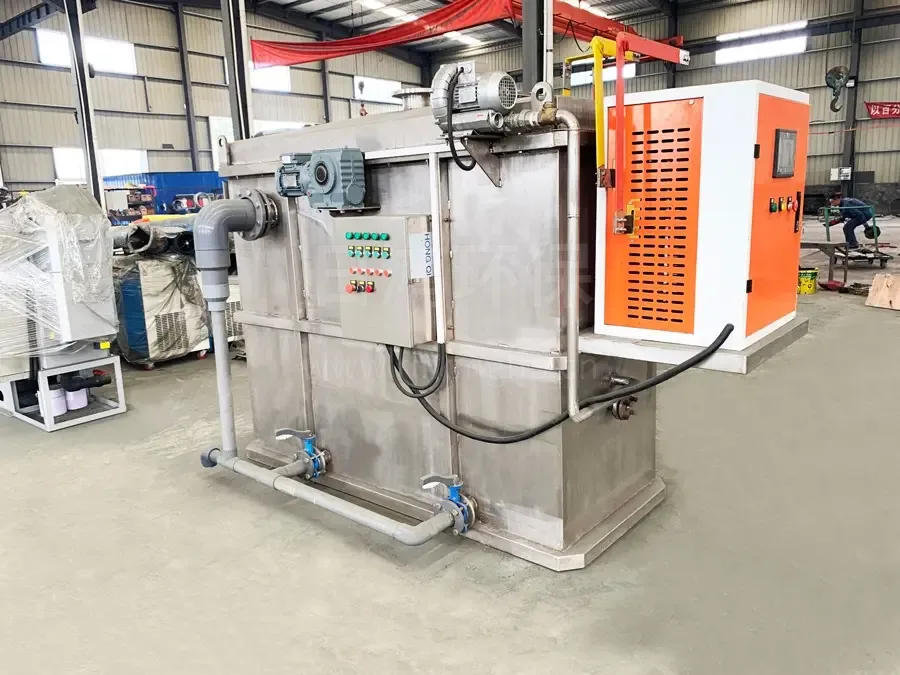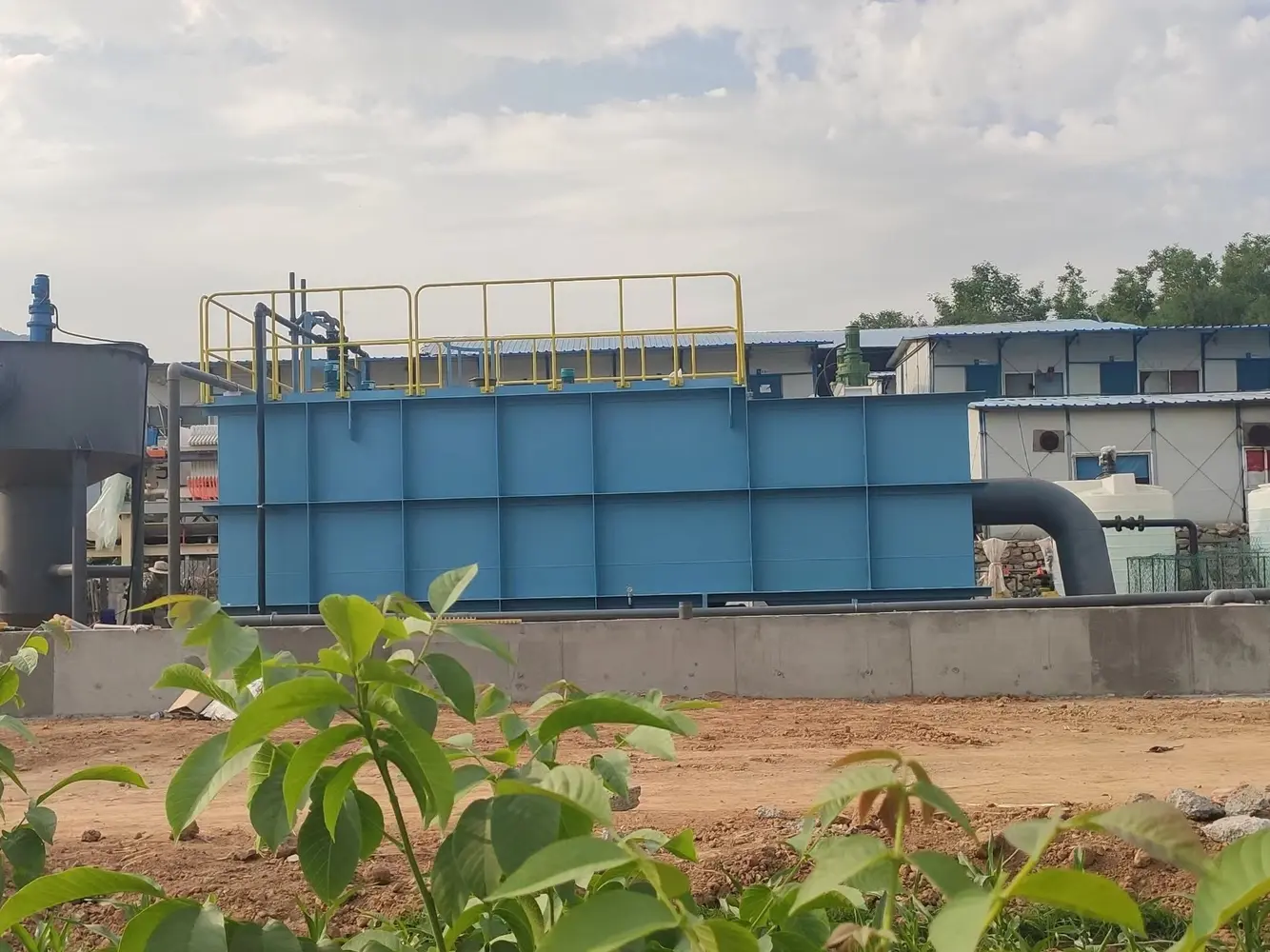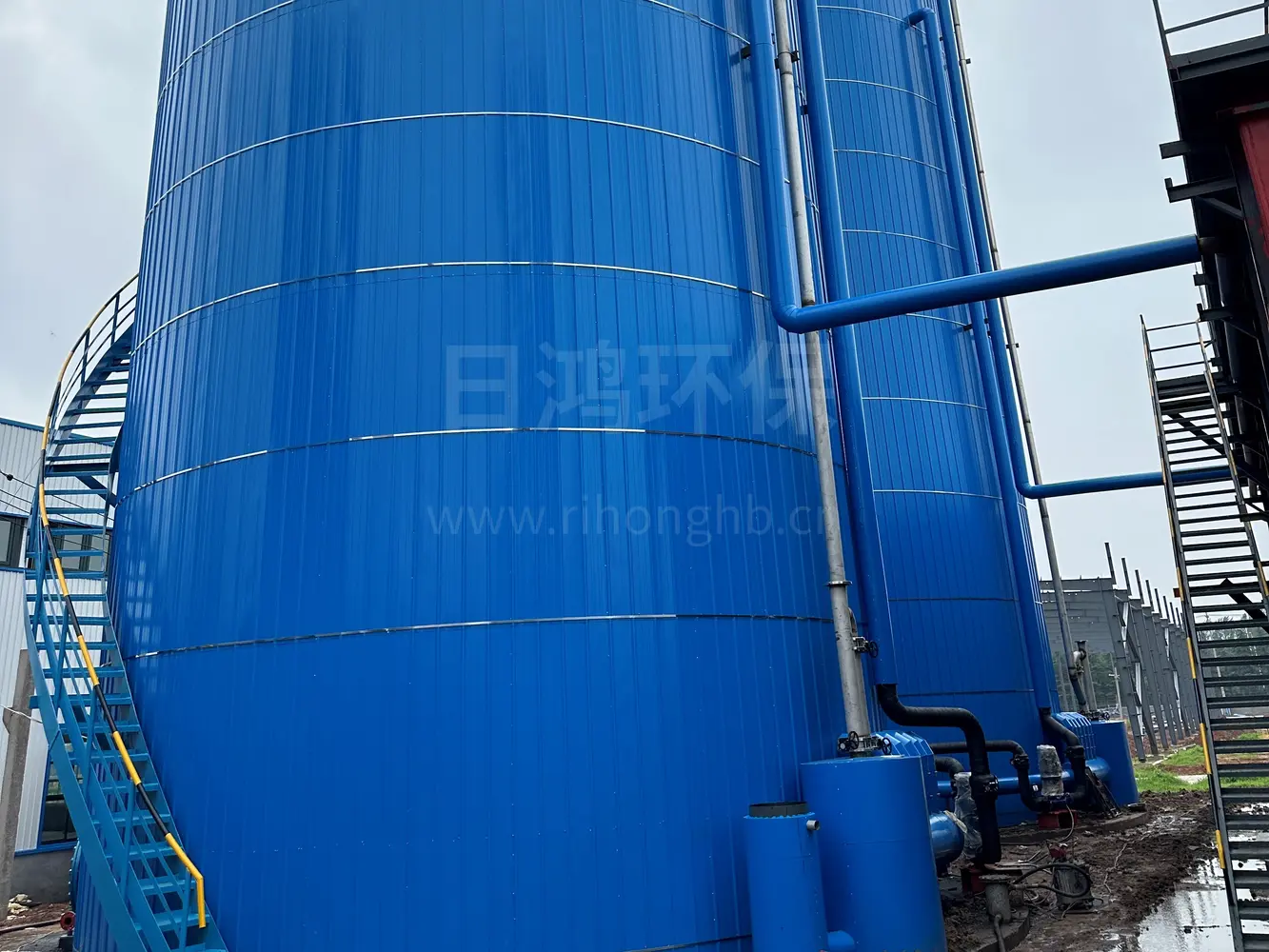
Upflow Anaerobic Sludge Blanket (UASB) Reactor Launched: An Efficient Treatment Solution for High-Strength Organic Wastewater
High-strength organic wastewater from industries such as food, brewing, livestock farming, and papermaking often faces the triple pressure of "high power consumption, large sludge volume, and expensive operation" when aerobic processes are used. Wushi Environmental has launched the Upflow Anaerobic Sludge Blanket (UASB) reactor, with a high-concentration granular sludge bed + three-phase separator as its core. It achieves efficient degradation of organic matter without aeration and simultaneously recovers biogas energy, making it a preferred unit for "pollution reduction, carbon reduction, and energy production" in medium- and high-strength organic wastewater.
I. Product Positioning
UASB is an upflow anaerobic sludge blanket reactor: wastewater flows from bottom to top through a sludge bed composed of high-concentration anaerobic granular sludge, organic matter is degraded stepwise by anaerobic microorganisms and biogas is produced; a three-phase separator is installed at the top of the reactor to efficiently separate biogas, treated water, and sludge — biogas is collected and utilized, sludge is retained and returned, and clear water overflows and is discharged. The equipment has no packing, no aeration device, and little excess sludge, with a simple structure and stable operation.
II. Working Principle
Uniform bottom water distribution: Raw water enters uniformly from the bottom of the reactor through the distribution system and flows upward at an appropriate upflow velocity, avoiding channeling and short-circuiting.
Anaerobic degradation: Wastewater flows from bottom to top through the high-concentration granular sludge bed, and organic matter is decomposed by anaerobic microorganisms, generating biogas mainly composed of methane (CH₄) and carbon dioxide (CO₂).
Three-phase separation: The mixed liquor rises to the top three-phase separator, biogas is collected and led out; sludge flocs settle by gravity and return to the sludge bed, maintaining bed concentration; clarified water overflows from the collection tank and is discharged.
Biogas utilization: The collected biogas, after pressure stabilization and purification, can be used for power generation, boiler combustion, or flare combustion, achieving energy recovery and carbon emission reduction.
Process schematic: Raw water → uniform bottom water distribution → anaerobic degradation in granular sludge bed (biogas production) → three-phase separator (gas/liquid/solid separation) → biogas utilization + clear water effluent
III. Core Advantages
High load and high efficiencyHigh volumetric loading, with COD removal rate for medium- and high-strength organic wastewater reaching over 80%–90%.
No aeration, significant energy savingsThe anaerobic process does not consume oxygen, greatly reducing power consumption and operating costs compared with aerobic processes.
Biogas production, energy recoveryDegradation of organic matter simultaneously produces methane, which can be used for power generation or combustion, turning waste into energy.
Low excess sludgeAnaerobic sludge production is far lower than aerobic, significantly reducing sludge disposal volume and cost.
No packing, easy maintenanceSimple structure, no clogging risk, and relatively convenient startup and operation management.
Adaptable to medium and high temperaturesBest operating efficiency at medium temperature (about 35°C), and it can also operate stably at normal temperature.
IV. Main Technical Parameters
Item | Parameter Range / Description | Remarks |
|---|---|---|
Applicable COD concentration | About 1500 mg/L or above (medium- and high-strength organic wastewater) | Poor economics at too low concentration |
Volumetric loading (medium temperature) | About 5 – 15 kgCOD/(m³·d) | Depends on water quality and temperature |
Hydraulic retention time (HRT) | Several hours to several days | Varies with concentration and design |
Operating temperature | Medium temperature about 30–38°C (preferably 35°C±2); or normal temperature | Efficiency decreases at low temperature |
COD removal rate | About 80% – 90% or above | Depends on biodegradability |
Biogas yield | About 0.35 – 0.5 m³/kgCOD(removed) | Theoretical estimate |
Methane content in biogas | About 50% – 70% | Combustible and usable |
Upflow velocity | Depends on water distribution and three-phase separator design | Prevents channeling/short-circuiting |
*The above are typical reference ranges. Actual operation is affected by influent concentration, biodegradability, temperature, alkalinity, and inoculated sludge, and the specific values should be determined by design calculation and startup commissioning.
V. Typical Application Scenarios
Industry / Wastewater Type | Main Characteristics |
|---|---|
Food / brewing wastewater | Starch, sugar refining, beer, beverages, etc., high COD, readily biodegradable |
Livestock / slaughterhouse wastewater | High-strength organic, contains suspended solids |
Paper / pulping wastewater | High-strength organic, inhibitors need to be controlled |
Fermentation wastewater | Citric acid, monosodium glutamate, amino acids, etc. |
Some chemical / pharmaceutical organic wastewater | Those with good biodegradability |
Landfill leachate | Anaerobic pretreatment to reduce load and improve biodegradability |
VI. Selection Recommendations
UASB is suitable for medium- and high-strength organic wastewater with good biodegradability; it is relatively sensitive to suspended solids (SS), sulfate, ammonia nitrogen, and toxic inhibitors, so influent water quality regulation and pretreatment are required. Low temperature significantly reduces treatment efficiency, so insulation or heating to medium-temperature operation should be adopted; anaerobic effluent usually still contains certain pollutants and generally needs to be followed by aerobic or advanced treatment units to meet discharge standards. The startup period requires a relatively long process of sludge inoculation, acclimation, and granulation, so sufficient commissioning time should be reserved.
Small footprint, high load, and biogas production
Small footprint, high load, and biogas production
Get a selection plan →